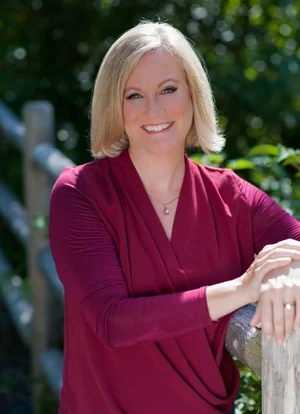
Crafting KidLit with Middle Grade Author Nancy Tandon
Nancy Tandon has generously joined me for a Q&A. Her MG contemporary mystery novel, The Ghost of Spruce Point, came out August 2, 2022. We chatted about things like Nancy’s personal writing and revision process, the power of using mentor texts to level up your craft, knowing yourself and your needs as a writer, stepping out of your comfort zone to stretch your creative muscles, surrounding yourself with a supportive writing community, and self-care. She even reads one of her favorite scenes from her new novel! Nancy also gave us a fantastic Action Item to move us forward on our KidLit journeys.
Below you’ll find the audio of our interview, an auto-generated transcript of the conversation broken out for easier reading, more info about Nancy, and the list of all the books we discussed—many by other local Connecticut authors. We hope you enjoy!
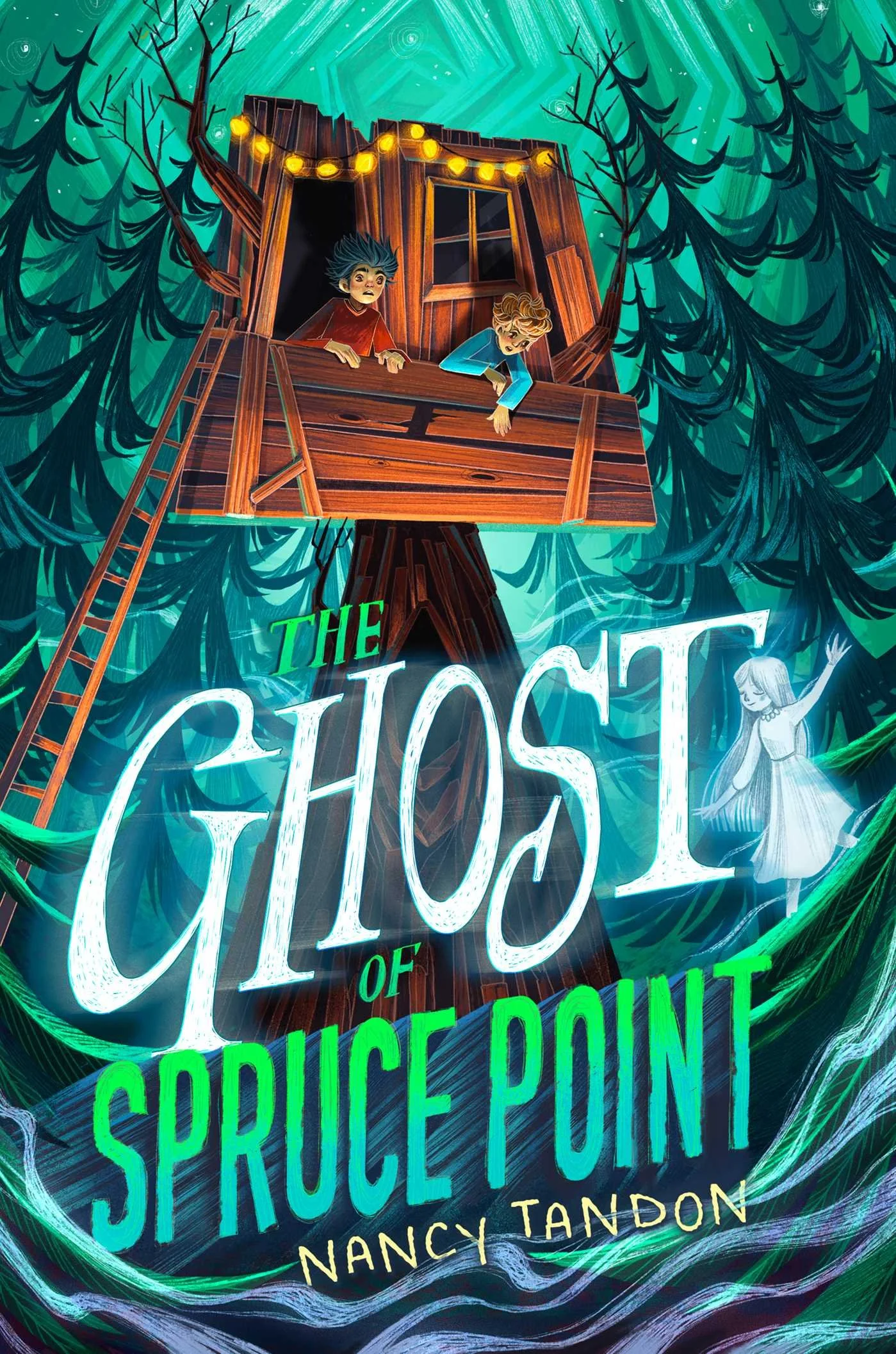
The Ghost of Spruce Point by Nancy Tandon:
Twelve-year-old Parker has grown up on Spruce Point, Maine, at his family motel, the Home Away Inn. Tucked on a wooded peninsula, the inn has been in the family for generations. But business has been down, and Parker's parents aren't sure if the motel will last much longer.
Not only is the inn struggling, but strange things have been happening recently. Though the area has always been rumored to have paranormal activity, Parker and his best friend, Frankie, never paid any attention—until now. It feels as if there is a curse over the entire point: there are no visitors, the weather has been unusually gloomy, and there have been sightings of people on the beaches who seem to just...vanish.
When random clues start showing up in the secret tree fort Parker and Frankie use every summer, they realize that someone—or something—has unfinished business. And with the help of a surprising ally, Parker and Frankie must figure out how everything is connected before it's too late for the Home Away Inn...and themselves!
Listen to the Interview
Q&A Transcript (Auto Generated)
-
Nancy Tandon: The reason I write for kids is because I sort of developed my reading life up to the middle grade level and I kind of stayed there. Umm, I mean, I've obviously read adult novels but I didn't really go through a sci-fi phase. I didn't go through a big like fantasy or sci-fi phase. I just have always always loved contemporary middle grade novels and so when it came time to write for publication which I wanted to do, it was just it that was a no brainer for me. Those were the story ideas that were coming to me. That's kind of like the age. I sort of stayed at.
I'm a little bit naive. I'm a little bit prudish. I could never write YA. I would be blushing so hard if I tried to have anyone kiss or or more heavens. And so it just really seemed a natural fit for my personality. And I really love revisiting that time in life, that's what I loved about motherhood in those middle years, too, like reseeing things through my kids’ eyes. And now I just keep getting to do it by creating new kids that I don't have to feed.
Christy: That hopefully feed you, right?
-
Nancy: I'm 52 years old. I keep thinking to myself surely I'm more mature than this but I am not, I'm just I'm gullible.
Christy: I mean I'm like 16 and sometimes with my humor I'm 8, so…
Nancy: Yeah, I feel like I'm 11, like I'm not even quite 12. You know the hormones really haven't kicked in for me. I'm 11.
Christy: Love that.
Nancy: Just the feeling of just having joyful play time with friends and being outdoors and creating your own adventures and maybe the tiniest bit of having a crush on someone is starting, but you're really not quite there yet. And also just sort of being still… You know, like all kids are sort of nonbinary to a certain age, just sort of being a kid in that way and not having to deal with the body development and that sort of thing. I think I'm 11.
Christy: Every children's writer that I've ever asked this has had an answer like that. I mean that's how we do this. It's fine, perfectly normal to me, yeah.
Nancy: Yeah, you have to right. I mean, you kind of have to be a kid, so. There's no better way to stay young, right?
-
Nancy: The Ghost of Spruce Point is basically loosely based on the town that my parents retired to on the coast of Maine. They retired there when I was right after I finished college, so I didn't have childhood summers in Maine, but my kids—every childhood summer of my kids has been in Maine and every year, we would go up there. And once I moved to Connecticut, it was multiple times a year but usually in the summer And I would be trying so hard to capture the essence of this really magical, coastal, cold, freezing water, rocky beaches, misty mountains. I just thought it was so magical. I kept writing picture books, trying to capture it, trying to capture it, trying to capture it.
And they weren't good and they weren't going anywhere. If I tried to make it cutesy it was like a talking lobster and if I tried to make it too sweet, it was too sweet. And then at the same time I was doing that I was working on my first middle-grade novel. So I was getting my novel chops going and I think if I'm remembering this correctly, I took a draft of a picture book to my SCBWI critique group at the library here in town. And someone said in the comments, is this a picture book or a middle grade novel?
And I was like, oh! And it was a concept book about prepositions, and I'm talking about this family on this trip going up and down and around this lane and I started to develop the family… and I was like, oh! So I took that family. And so it was really the setting that inspired the book, and then it was watching my two kids. They have four cousins, but two are the same exact age almost as my kids. And watching those four develop and play in the summer times really drove the heart of this novel. Their relationships, like the shenanigans and fun they were creating on their own. Their four personalities are in there, completely changed kids, but it's like you can tell, oh, that kid is this kid, that kid is this kid. They're different genders and everything, but that was really fun to play with the cousins part.
Christy: So that's really interesting, so that your first book was not inspired by setting, right at all.
Nancy: Correct. In fact, I had to kind of pick like, OK, I got to figure out where [The Way I Say It] is going to take place, and it takes place in my town where I live. You know it wasn't and it's fine. It totally serves the story to become sort of a nondescript suburb is where we wanted it to be. But yeah, that was much more 100% character. First, one main character. His life and trajectory. Whereas this was like what cool things could happen in this super mystical atmospheric environment. It's fun.
-
Nancy: Where that goes, it's almost always character.
So the main character in The Ghost of Spruce Point is Parker, and even though I had this setting that I knew the book was going to be in, he really was the one. I knew he was going to be the one talking. He was going to be the main character.
Yeah, it's always been character first for me and I think that's the kind of books I like to read too. I want to be like, right away, I care about this character. What's going to happen to them?
I like books that make me think about the character after you finish reading, like I hope she's OK. Well, she would be in college now. I hope she's doing well.
Yeah, yeah, so umm yeah, usually character. :)
-
Christy: So how does that affect the process when you're writing? If you know your character? So sometimes when people start with character, they end up without really a plot and it becomes very internal. Do you have that problem?
Nancy: I do have that problem, yeah. And in [The Way I Say It] I had this character that was pretty rich, but. And I was writing the story and it took place in a school in the confines of a school year, which I do recommend for people who are starting writing something like pick something with a defined timeline. The second book is the summertime, so you know when you're plotting along. Like once I got to February in my first book, I was like school's going to end in June, I should be about here in my book, so that helped. That helped, but that's still not plot. That's just time passing.
So then it was like OK, now I do the first draft. I had a character, I had the structure of his school year, but I still didn't have all the plot points I needed. So that I think is tricky, and I wish plot was easier for me. And I will say one major difference between the 1st and 2nd book is the 2nd book, interestingly, and in a very lovely surprise, the synopsis came out first.
So yes, I had at the core I was thinking about the character for a long time and I was thinking about some things like the atmosphere and I was thinking about this news story I'd seen about kids who have a skin condition they were allergic to the sun.
These things were swirling and then when I sat down I wrote this synopsis and I was like, oh, this is what this is. The book. This is what's going to happen in the book and it was so much easier to write because I just look back at the steps. OK now they're going to meet this other kid, and now this is going to happen. And I mean, it changed, obviously. It was richer. It had to be richer and deeper than my first, you know, skeleton synopsis. But to have that at all was not something I had in the first book.
In the first book, I was literally like it's Tuesday morning. What's going to happen today?
I did not know and so that one I just did totally by the headlights method and the second one I was like I know where I'm going.
So when I sat down to write my third manuscript, which is just a work in progress right now, I was like I'll just write the synopsis first, that was great. I'll do that again. And I couldn't. No, nothing was coming, it just refused to come out that way. I was like Dang it. It's going to be easier if I can do this plot 1st and the book was like, sorry you ain't got no plot lady, you have us characters. You got a little bit of a problem. You kind of know what the solution is going to be and you're going to have to go. And I had to slog through it again. And I thought, shoot, so I just think I got stroke-of-muse lucky on that plot coming to me for the 2nd book, The Ghost of Spruce Point.
Christy: Actually an exercise I do with my coaching clients as we make them write a jacket copy first as one of the first things so that you kind of have an idea.
Nancy: Great thing to do and if you can, even if you’ve got a skeleton one out there, but the more detail you can have, now you're writing towards a point you already know exists, and there's a lot less wasted writing. Yeah, but sometimes you know the writing practice you're doing when you're just writing along trying to find the plot. That's good practice too. It just feels like such a waste of time when you take 2 entire chapters and you're just like these don't belong anywhere in this.
-
Christy: So what's the difference between you're drafting and you're revising? What do you consider to be, this is my draft and now I'm ready to start revising.
Nancy: Yeah, that's a great question. I wish I had paid better attention to what I was doing when I was doing it, but there is definitely a point. And it's interesting. It's almost like this internal struggle I have with myself because if I'm drafting, there's all the grace in the world. And this doesn't have to be perfect. It's not supposed to be perfect. You know, Kate Dicamillo says it doesn't have to be perfect. I could just write whatever I want. And then you have this come to Jesus moment where, like all right, that's three drafts. Now this is 4 drafts.
When are we revising for real like **** has to get real and I always can tell when I'm fighting that. I don't go to my writing desk. I sign up to volunteer for other things. I'm like I fight it because I know it's going to be hard and I know that I'm doing real revision when it's hard. It can be fun, but starting the revision process to me is like that’s when it feels like I'm punching a clock. I force myself to sit down.
I get out a big piece of paper on the left hand column, I write all the characters and some of the major themes. And along the top I write the chapter numbers. And then I go through and I put a little dot. Alright, this character and this theme appeared in Chapter 2. I do that all the way through, then I can look back at my big piece of paper and say OK, oh gosh, I haven't had the dog since chapter 3, but not until chapter 23 is the dog even supposed to be in this book. You know that kind of thing, and the revision process for me is a lot more outside of the written pages. It's a lot more visual.
Sticky notes on a board or I do a storyboard. Sometimes that's because working memory, I just can't keep like 32 chapters in my working memory so I do like a sketch. Like if the kids were outside at a bonfire, there's a sketch of a fire and then I can remember, oh, that's what that was. So my revision process is a lot bigger and literally like will take over a room in the house or my writing nook becomes just, you know, impassable. And it's bigger and it's just super messy.
I always think of it as like when you're scooping out a pumpkin to carve and like you just are flinging, like there's flinging guts everywhere. And there's a little bit of seeds that you're like, oh, wait, see that seed because that's going to taste good, so that's why I think the revision process, because I know it's going to be messy and I don't, and it's just much more fun to write when things are clean and happy. And you know you can forgive yourself in revision, you have to. There are times you just have to say that's not any good and you may not keep it. So that part is hard.
Christy: While still being kind to yourself.
Nancy: Right like you tried, good job, you tried. Now cut that chapter. You can do better than that.
-
Nancy: The plot. I really struggle with it. I get so tender-hearted about the emotions of my characters and that is important and I do think that makes for memorable reading.
But you're writing for kids. They don't really need to just reflect on the characters’ development. There has to be a lot of action happening so that they'll keep turning the page and at the end of the book they'll hand the book to a friend, you know. I really wish plot came more easily to me.
I was about to say I wish I was better at it. I don't think I'm bad at it. It just doesn't come to me as easily as the character stuff does. So I can spend kind of a long time like weeks trying to think of a plot point. What is going to happen now? You know what would happen if? And. And.
Part of what's hard is that with for everyone, you're managing a ton of things in your life. Whether you're working full time or you're a parent, or even if you're writing full time, you still have friends, family members, events outside of yourself that occur that you want to participate in, and so you have to shut off your writing brain. And to me, like to get back into that plot situation. It would be perfect if I was on a writing retreat at my, you know, my entire life. I think that would be easier for me.
But as soon as I'm taken out of my daydreaming space. I get taken way out and then it takes me a while to get back in. So that's my long way of saying plot is what I'm worst at.
Christy: But that's interesting.
What you talk about, I mean like. So basically, you know setting boundaries is important for you, especially to protect staying in that bubble when you need to be in your bubble, right?
Nancy: Correct, yeah. Even there have been times where I'm like it's not even like I can go away with writing friends. I have to go away by myself. Yeah, you have to be pretty protective, especially when a deadline is looming. The most important thing, I think in writing is just to be honest with yourself. If you get to know your writing self, you know you're not going to be able to meet that deadline if you're at home, making meals for people. You've got to be honest and you have to ask for what you want and need, and you don't just spend a lot of money either. There's a lot of places you can hold up, and even a friends’ guest room who doesn't need you to feed them, you know.
Christy: Food is such an important part of that, isn't it? I think that's why people like Highlights so much because they feed you.
Nancy: Right, it's so perfect. Yeah not having to think about that is you can free up your brain big time.
Christy: It's true, it's true. I have a friend who sometimes lets us go up to her house in Vermont and she feeds us and I'm like I had no idea how lovely this is just to have food like available when I need it without somebody bothering me.
Nancy: Right, yeah? Or even you're having to think what it's going to be.
Christy: So that is the worst question in the world is what are we having for dinner.
Nancy: That's the worst question to me.
It's funny, I'm reading A Swim in the Pond in the Rain. George Saunders.
And it's a really neat craft book. Again, like you were saying [before the interview], this is a craft book for adult writers.
It's not for kids, but there was a part in here that really stuck out. Four Russians give a master class on writing, reading and life and he goes through these, you know, highly acclaimed essays by all these great Russians. After the essay, he breaks it down for you.
[Saunders] is a writing teacher at Syracuse and in one of them he was talking about how they found the writings of, was it Tolstoy? Maybe Tolstoy's wife, and basically she was saying, she would have liked to have been a writer too, but she was doing all the things making his life so easy so that he could just sit and think and not have to do any child rearing and not have to do any cooking. And I was like that is so interesting even back then. So Tolstoy's wife called it out back in 1895. She was like, yeah, I could do that too if I had nothing else to do but sit and think my thoughts. And I thought you know what and here we all like, oh, Tolstoy… He was alive because she kept him alive.
I think that a lot, as you know from being at conferences, a lot of kidlit writers are women, and there are some awesome, you know, male kidlit writers too.
But I think for women especially, we forget to take that time just for us and our brain power. We're so divided, there's so many compartments going on in our brains. For men too, but I mean, I think classically it's women who are carrying the emotional load of kids and family relationships and all that jazz.
For sure.
Christy: I know, in the Before Times the last conference I went to was SCBWI New York in February of 2020. Crazy, right? At that conference I said, you know we have these fantastic weekends. We get all of this information and then like we go home and it's like right back to reality. I mean you come home in the middle of the afternoon and it literally is, what is for dinner. And it's like, Oh my God like I just walked in the door.
Nancy: Yeah, that's really hard. That reentry is so hard, isn't it?
Christy: And I said, you know what? The next time I come to a conference, I'm going to stay for like an extra 2 days.
Nancy: I'm going to Highlights in the fall with my agency for the agency retreat, and last time I did that, the day I came home I was so disheartened for the exact same reasons. And I scheduled an extra night this time. I was like I'm going to stay a night and just think my thoughts, damn it.
Christy: Right, well, I mean you come away from these things so inspired and you know, you hear the keynotes. You’re like YES, and you go to the workshops and it makes you think about all of your works in progress and it triggers all the things. And then you're like, I'm going to go home and I'm going to like just pump out a book, and then realize that you're like in this black hole of life.
Nancy: Yeah, yeah, and you're so right. And I find that as I'm getting older just to process all the information that came at you. Like just to rethink it through takes some energy that I need to conserve time for.
-
Nancy: My favorite part is critique group. I just love them. I love, love, love my critique group friends. I love watching their stories evolve and change and I love when someone does real revision. I get like so pumped I'm like, you did it, you did it, you know and I love having that accountability. Buddies who are like, you know, next month you said you're bringing us chapter 12. And to me the people that I've met through trying to publish in the world of children's writing. It's just been 100% of the time, the icing on the cake for every you know, horrible rejection. It was always people who brought me back up for every struggle I've had. It was the people who supported me. That's always been my favorite part. Just the camaraderie of writing. In concert with other people or just being able to call someone and say, I just need to talk this plot point through with you. Would it make sense if? And then they give you one little nugget. They're like what about if there was a coin that they found? Yeah, OK, thanks, gotta go. That's really fun for me, yeah?
Christy: That’s so important and a lot of new writers don't necessarily have that kind of network yet, right?
Nancy: They don't realize and think how important it is first thing, because you're not right, there's no competition there, right? Right, yeah, they just want you to be better and you want them to be better. Yeah, I really love that part. And I also love the very few times that this has happened to me and I know it happens to people, other writers as well, where you literally. It's like time suspends. You are writing with such fluidity. And characters are actually speaking. It seems to be not coming from you. That does not happen to me very often, almost never at all, but it has happened a few times and in my first novel, a lot of people have said, oh I love Mr. Sims, the character Mr. Simms, and he is he is one of those times that that happened the first time I wrote him. I just was like, OK, the kid is going to meet his speech therapist and I just paused and closed my eyes and I was like, I know it's going to be a guy. What's he gonna look like? What's he gonna act like? What's he gonna be like? I don't know what happened, Christy. And it was like, oh, he just came out and he stayed that way. He did not get revised heavily at all. I love that guy. I don't know why.
I was just grateful. Grateful when it happens and there are sometimes where you finish a little writing spell when you read back and you think OK, that? That was fun. That's a good sentence. OK, good job. It kind of keeps you going.
Christy: That’s so cool. Yeah, side characters, right? They have a way sometimes.
Nancy: Yeah coming like, give me more attention, right? Yeah, let me have a life. I want to live.
Christy: So that's interesting that that character didn't change for you at all in that book.
-
Nancy: Yes, OK, the main thing which I think readers will think is funny if when I tell this story is I did not write a scary novel. I did not write a ghost story per se. I wrote a cozy mystery in which every unexplained thing was eventually explained. There was no supernatural component. The book gets sold to Alison Heller at Aladdin, who was a perfect fit for this book and she was like OK. We're going to make this scarier, more atmospheric. The curse is going to be real. The curse was something the kids made-up to like you know, you make your own fun when you're a kid like yeah, there's you know the boogeyman. The curse is gonna be real.
My climax of the book got moved to like almost slightly before the midway so the climax isn't even the climax. The climax happens as a reveal and then I had to create this whole other line of story and plot that to me has been the most surprising thing, and I resisted, you know, at first I was like, well, I really like this sweet little story and then I kind of sat with it for a second.
And I reminded myself that this person's job is to sell books. That's her job. She works at a publishing house who wants to sell books. She's telling you how to make this story better so that more books will sell. And if you want to entertain kids, give them these things that they want. They want the supernatural. They want to feel that little bit of a spine tingle and so that whole part, that whole part, had to be created after the book sold. That was a surprise to me.
I was like binge reading, little kids’ scary books that I never read as a kid.
I hate it. I cannot watch scary movies. I can't even watch a commercial for a scary movie that when the music starts I'm like no I can't do it.
And I was reading all this like Mary Downing Hahn, and all these really scary books. No. Like I don't like this. This is too scary for me.
So someone, someone who read an arc wrote a really nice review and said this book is for kids who like the idea of being scared and I thought, oh, I love that because that's basically me. The book will give you the idea of being scared, but it's not like that.
Lorien Lawrence, a Connecticut author, who writes the Stitchers series like her books, are creepy, like creepy. These people have these stitched on skin and I'm like, it's kid lit and it's too scary for me. This is my horror novel for kids who like the concept of being scared but don't really want to be all that scared. Just want to hang out in a tree fort, yeah?
Christy: That’s me. Yeah, especially the commercials when it's like a creepy kid. I'm like do not give me creepy kids.
Nancy: An empty swing swinging. That's it. I'm out I'm out.
Christy: I’m going to have nightmares just from talking about this.
But that’s so interesting. It was a mystery, what you sold?
Nancy: Yeah, it was. It was a full mystery with mystery components and clues and stakeouts and all that jazz. So that's still there. It's just that the thing they were trying to find, they find and then a new thing rears its head and becomes what they're looking for, a more paranormal thing.
Christy: That's interesting, especially since you say you're contemporary.
Nancy: Yeah I had no idea what I was doing, no idea what I was doing.
Christy: Well obviously you did it right.
Nancy: They seem happy with it. I'm very happy with the final result. When the ARC went out, it made me wonder about other people’s ARCs that I've read. I never imagined my ARC (Advance Reader Copy) would be so different from the final copy. It was a very, very quick revision process in terms of the publishing world, and so the ARCs had to go out really before I was done there. The arc would be an interesting study in like consistency and things like that like it's Tuesday morning and then it was Thursday that night. It's Thursday night, you know there were those kinds of mistakes in it. But yeah, I was making making **** up as I went along big time.
Christy: But your editor is a pretty hands-on editorial editor, then?
Nancy: No, she was definitely not. She was more of like a global ideas person and she was really great for me because she would say OK, you've started down the right path. Give me more OK, but she wasn't saying like hey, you know, let's talk about she always said if you want to talk I'm here if you want to talk things through. And we did do that a few times. You know, back and forth. And do you think, you know, should I have more of this or this?
But compared to my first editorial experience with Karen Boss, who was so pleasantly hands on and just you know, really right in it with me. This editor was more global, conceptually giving me ideas and conceptual directions. And then she just would stand back and give me space. Which scared the heck out of me. It was a completely different experience.
I said to my writing friends. I said she really trusts me and I think she trusts me too much. This is too much trust, that's way too much trust I don't know what I'm doing. So then you just, guess what, you fake it. You pretend you know what you're doing and then you create something and that's the magic of, you know, being given creative freedom. It’s also fun.
Christy: That's interesting, so would you set out to write another supernatural kind of book, or did you have your fill now and that's it?
Nancy: I wonder, I think. The next one I'm working on is just much more straightforward contemporary, but like I was saying to you before, it's lacking some stakes and some tension. I think The Ghost of Spruce Point really helped me see that I do have that kind of creative brain. I could write something more that was more of a fantasy. More science fiction than you know, than fiction. I could do that stuff. I just really hadn't let that part of my brain breathe at all. And I think, OK, what fun could I get into now if I wasn't limited by the physical world. I've always written in this world, in this time period, you know, and you have your limits. You know kids have to stop and sleep and eat. And all these things. What if? What if I just went off, you know, totally off the rails?
I think that could be a lot of fun, so I wonder, I wonder if maybe something has cracked open a little bit that might come seeping out.
But not for the next one as far as I can tell.
Christy: That’s hard. That's stepping completely out of your comfort zone. And I mean, like you said, you got to go and read all of these books that you hadn't read before and see what worked and how do you make that work? And then trying to sleep at night?
Nancy: I really have not read fantasy much at all and forcing myself to read some sometimes Just because I'm reading a friend's book or sometimes because I'm doing research like this, kind of read a horror novel, I'm like, Oh, these are fun.
OK, I prejudged and I think like I said, I'm still 11 years old, so I think maybe when I'm 12 I'm going to start reading some more outside of my genre, my preferred genre.
-
Christy: OK, so you mentioned mentor texts before, about having to read mentor text and are mentor texts part of your normal process when you're writing?
Nancy: In a sense, yes, because I feel like you know one of my very first SCBWI conferences I heard the adage that you should read 100 books in your genre that you're trying to write in. And I remember thinking, wow, I probably have that, but if you really go back and look, and it can't be kid books you read as a kid, you've got to read them again as an adult.
And so I would say yes, I'm constantly reading mentor texts because I'm constantly reading middle grade and you really do have to learn that pattern. How fast does it have to go? You go back to really go back to reading an adult book for my adult book club.
And I'm like, Oh my gosh, we're still describing the tree. What are you doing? Like we don't… we get it, we get it. The kid books have a very different angle and middle grade has such a different pace than YA. So I definitely would say that any middle grade I'm reading at any time is a mentor text. Yes, I specifically had to go and get some.
The Stitchers series is super creepy. The Peculiar Incident on Shady Street by Lindsay Currie. She writes all middle grade. Scary stories, ghost stories, horror stories. If you want to call it that. Horror stories with heart, she calls them. I was reading a ton of her.
But in terms of my own voice. As a writer, there's some books I want to talk about.
One of them is this one. Leslie Connor is a Connecticut author that I've met in person and I was so glad the first time I met her I thought she was a different Leslie because I would have fangirled. I would have totally embarrassed myself like fully. I would have been at her feet. There's something about the way she writes this book. Waiting for Normal was a Schneider Award winner and I love the Schneider books. I've never met a Schneider Book Award winner that I didn't love. This book is about this little girl named Addie who's waiting for her mom to normalize. Her mom is bipolar and the character development in here is so good. This is one of those books where I was saying to you, I still think of Addie. I'm like, I wonder how she's doing. I'll see something about you know a heartwarming story about a stepdad who adopts a kid. And I'm like, oh my gosh, Trent would love to know that kid ended up in a great place like Trent is the steps.
You're like, wait, they're not real, but they are to me. Every time I see this book at a library book sale or anywhere I always buy it and put it in little free libraries. I just love it.
Another book that I like to reread just because I can't figure out how she did it is Rebecca Stead's When You Reach Me, which was of course a Newbery Award winner. I read this one as a mentor text to try to grow my writing brain in terms of plot, like how did she do it? Because there's time travel and there's surprises and twists.
And character development and story, you know, great setting and I'm like, ah, how did she do it? So that's a good one to study too.
If you just want to see how did someone play with the movement of time.
Interestingly, last year I went to a workshop and she was the moderator; it was really exciting. It was a whole week of Rebecca Stead, it was so exciting. She said that she had taken Walk Two Moons by Sharon Creech. [Rebecca] had studied it with pencil in hand to see how that was written and she showed us her copy with her handwriting and I was like oh right, she didn't just come to this earth fully formed, ready to write When You Reach Me, you know she needed a mentor text too. We all do and we have to keep reading mentor texts.
Christy: And it's not like you wrote a book and you're done with mentor texts.
Nancy: Unfortunately, that is not the case. This is Chris Baron’s All of Me. This is about a kid who is overweight and his parents’ marriage is on the rocks and the reason I love this one as a mentor text is it's a novel in verse so it's easy for me to go back to it and draw out what the plot points were and it's a contemporary realistic fiction with, I think a great plot. A wonderful, heartwarming story that's character driven. But where were his plot points? And I can get them easily because it's written in verse.
I mean, there's just so many. So many incredible books coming out and there's some that just make me think. What could I do that's more? Here's one that I'm always jealous of when I was reading. This is out last year, The Wolf’s Curse. Jessica Vitalis.
I was like, oh, I felt so jealous reading it. How did she do that? It's so cool, it's told from the omniscient narrator is the wolf. And I can't even tell you what the wolf represents.
I can't tell you it's a spoiler, but the wolf represents something scary that’s scary to all of us. And it's so well done. And she created this town, this coastal town, and you can't even figure out what country it is. It's like its own place, and she did a beautiful job with that one. So I like to read books that aren't exactly the genre I write, but are books that I wish I could write and I feel like that helps me grow.
Christy: That's interesting. You know some people are afraid to read in the genre while they're writing, because they feel like the ideas are going to infiltrate their head and they'll write something that's there. But what I hear you saying is that this book is for this specific aspect of craft that I want to study, and this book shows me this specific aspect and it does not mean that a wolf is going to end up in your story or that suddenly you're going to do that.
Nancy: It's more like just OK, how? How did that point of view enhance the story? If you're gonna use an omniscient narrator, use it to enhance the story the way she did. You know that kind of thing?
Christy: So do you take notes when you go through that?
Nancy: Not usually, usually I'm just on my first read I'm reading for pleasure, but like I was saying with, I'm going back to this book. One time I'll take some notes I took.
I did a big—I like big pieces of paper. I did a big piece of paper comparison between Waiting for Normal. I just love that book and Caterpillar Summer by Gillian McDunn.
Because in each of those books in the first chapter, and I'm sure that a lot of the people that you coach have this problem, I know I do. You have to put so much in the first chapter, but you can't put backstory and you can't put that. You can't do an infodump, and you can't do this. You can't do this, but you gotta put this. It's like how am I going to put this stuff in? It has to be there and not have it be an infodump, but not have it be backstory and in both Waiting for Normal and Caterpillar Summer, the first chapters are very dense with information. Everything you need to know, setting, characters, what's going to happen, what the want is, all this, and how did they do it?
And that one I actually bullet-pointed every chapter in those books and then compared the two just to see how they do it and that really it was a lot of work. Honestly, I was probably procrastinating starting my own revision process, but I think it really helped me to see how these two different authors were able to get that much information in there without you feeling like it was an info dump and that was helpful just to see it written out like that. And just for my own sake.
I'm sure everybody's heard the adage that if you write something down your brain is learning it differently. So just writing down what did Leslie Connor do?
She, you know, introduced the sibling at a restaurant and I'm comparing. How did Caterpillar Summer? How did that sibling get introduced? What was the dialogue, like that kind of thing? And when I write it down, I'm just remembering it better I think, when I go back to write my own stuff.
Christy: Yeah, that's fascinating. I love that. I've definitely been introducing more and more mentor texts, the concept of using a mentor text, into my practice. And you know, I mean obviously you keep in mind as you're going through that, that that was not how it probably came out of them.
Nancy: Have to remember that yeah, but especially if you feel like point of view for mentor text for me is so helpful because I get very confused about point of view. Like what is third person close and so when I'm at a conference and someone says this is a great example of third person close, like you better believe I'm going to read that book just so I can know. Like what even is that? I might not be using it in the work I'm working on, but to know that if something's not working, maybe I should try that weird point of view that I was just learning about, you know changes things.
I just read one from the second, not just because I don't remember the title.
Very few that have that you. The second person point of view. And I did not care for reading it. I don't know if I'll ever write one, but I didn't care for the style, but it absolutely worked in this book and I'm sorry I can't remember the name of the book.
Christy: Yeah, no, that is a tough one.
That and there's a reason why that's rare because I mean, there really has to be a good reason to pull that off.
Nancy: It had to happen that way. And yeah, no thank you.
Christy: Was Spruce Point always first person?
Nancy: Yep and not only that, both of the two books I've written are first person present tense.
So like he says, I say, it's happening right now. And in my third, my work in progress, now I'm writing it in first person past tense and I will tell you what, my brain was just, it's like that's how I had learned to write a novel was first person present tense and I really had a hard time putting the -ed. She said. We walked. And I think it's much more common, much more common to see that past tense first person, you know instead of present tense, so I don't know where the heck I came up with trying to get away with that. For my first two novels to have it be present tense, but it worked especially for The Way I Say It because you are going through the school year with this kid. You're in his head. Things are happening to him and you as a reader as it goes along.
With The Ghost of Spruce Point, I think that was just the habit I was in and that's why it's that way. I think it does add a little bit of the suspense. With that, you know, because it's not, you don't get the feeling that this kid is on the other side of this. What has already happened, like we don't know.
Christy: So do you think in general you're a first person kind of writer?
Nancy: I do. Even when I think about using like an omniscient narrator, I still feel like each chapter would be, I don’t know. Yeah, I feel like because the character tends to come to me first. I think that's why the first person is the one that comes out first too.
It would be interesting to push myself to do something different, but I'd have to give myself a lot of grace, like just write a short story, maybe just to try it out, yeah?
Christy: So how long ago did you start seriously writing for kids?
Nancy: I started 12 years ago and I can tell you that exactly 12 1/2 because I sent out my first query letter on my first underbaked picture book on my 40th birthday. So and then my first book was published a month and a half before I turned 52. So, and it was before that, even that I had started writing and went to my first conferences and such.
But really in earnest, like trying to actually go out from my computer into the world to get it published 12 years.
-
Christy: So if you could talk to 40 year old you now, what advice would you give her that you know now that you just really wish that she knew when she was doing it?
Nancy: I think I'm just glad I cannot go back and tell her because she was so hopeful and energetic and excited about the journey, and if I had told her 12 years, she would have been like, well, I don’t think I'm going to do that.
But I did hear at one of my very first conference that the average time was seven to 10 years, the average time from starting to write in earnest to getting something published and that didn't intimidate me. I remember thinking, OK, let's start this. This is year one, check, now and I got to get to year seven now. Twelve… I wasn't expecting those extra 5, but the first seven I was sort of expecting and so, but I would tell her to like slow your roll, you know just slow your roll you. I thought that to really pursue this it only made sense if I had a book that I could hold in the real world and show people that I was a writer. That's how I would show people. Just like when you're a mom like you're a mom when you have the kid you're holding the kid, the kid is there. You are a mom, you know. And in all my other careers, you know you're doing the thing that you were working on. People can see your results.
You can do a productivity chart, you can, you know. And this was so nebulous and I think. For a long time I thought I will truly pursue this in earnest once I get my first book published, and I would go back and tell myself, just relax, just pursue it in earnest. You don't have to worry that people who aren't in publishing don't understand what you're doing. Don't worry about that. People would ask, you know, questions. And how's the writing? And do you have a book published yet? No, I don't know. I don't know. I don't know. I don't and just chill. Slow your roll. Chill. You don't have to have a book published to be doing it professionally and that feels weird for us. That feels weird for us. But you put yourself—this is a Jane Yolen-ism. You put yourself in the path of luck.
So once I started acting like a professional and doing professional writing things such as conferences, workshops, making even my online presence, making it a professional presence. Joining a professional critique group. That acting like a professional is what made me a professional in the field so then the payoff came.
It's tough though, it is tough to let that simmer for so long and not even know that you're going to have an endpoint. There's no graduation date that's set in stone.
So I applaud people who are the me of even three years ago where I just was like nothing's happening. I'm getting nothing from all this hard work.
Christy: But we also, you know, couldn't have planned for a pandemic. That would cause many other changes.
Nancy: Would not want to tell my 40 year old self that either, just she does not need to know.
She does not. Let her just be happy, raise her children thinking they're going to be fine in this world. No, no.
Christy: Sweet Nancy
Nancy: Yeah, sweet little naive 11 year old, 40 year old Nancy.
Christy: But hey, you're still 11, so you haven't given up on your innocence.
Nancy: Right, I mean. Yeah there's something to be said about just sort of, well. Not letting yourself think that you can fail. I just didn't let myself think that I was like well, I'm not going to fail. I don't know how long it's going to take. And people were really encouraging me. People are sweet, like you want to self publish. You can do this. There's this. All these different ways to self publish and I said, you know, I said to myself when I am 80, if I haven't had any works published, I will self publish a book. Because I think that is a viable, real way to get your work out there. But I don't have a business mind and you have to be so business minded and so into the marketing component. I'm just not cut from that cloth.
And I really applaud people who do it and do it well, but when I told myself that. When you're 80 you can self publish. I was like OK that then became my graduation date. If it doesn't happen by then, but I knew in my heart I was like I'm just going to still write until then, so that was an important mental switch.
Christy: Yeah, when you’re 80, like a pact between two friends who haven't gotten married, right?
Nancy: Right?
Christy: Exactly so no pressure in finding somebody. If you find somebody, you find somebody.
Nancy: Right, makes you feel a little more in control.
Christy: You know permission is such a huge part I feel of this business, of this writing process, of giving yourself permission or strangely asking others for their permission to just be.
Nancy: Totally agree. That's so interesting, yeah. I don’t know why we’re like that but we are. It's human nature.
Christy: Yeah, well, I mean, I think we're really hard on ourselves sometimes where it's like you know. I mean, if you look back at the things that you wrote when you were 40, you probably can, I mean, you can definitely see probably how much you've grown and how much better you are, but you couldn't have been this writer without having been that writer first.
Nancy: It's like that going on a bear hunt, you can't go over it. You can't go under it. You can't go around it. You have to go through it. You have to go through it. And that's why it's fun to be with the critique group friends that I'm still with. And I'll say, boy, let's just reflect for a moment this thing you've just written is so good. Remember the story about blah blah blah? Yeah, they're like, Oh my gosh, you're right. You forget that you are getting better as you go along when you don't have these external markers telling you you're getting better.
In fact, the external markers just keep, the rejection, the rejection just keeps telling you you're not getting better, but you are getting better and we just have to believe that the more you write, the better you're going to get it. Just it happens again and again and again.
Christy: That's why I'm just such a big proponent of celebrating all of your small successes, because otherwise, what is this point?
You know we're on this journey, and if all that matters is this end goal, then you'll never feel happy. And you're good at that.
Nancy: I love the small celebrations. Love them. I love to take those tiny moments and make them memorable. Very big on self-care and giving myself treats maybe a little too good at it.
Christy: It's no, but really it's so, it is so important and it and it's hard to, especially being a mom and having to take care of everybody else all the time, to get to that point like we were talking about before we were recording where our kids are kind of, you know, grown enough where we actually have the the time and the space now to say, What about me? What do I need and what? What do I need to say no to?
Nancy: And to not feel guilty with those answers that come up, you know? Yeah, just be like that's where I am right now and this is what we're going to do. It's awesome, right?
Christy: Especially in this world. I mean, you know it's hard enough to just exist without trying to add all these other pressures on top of it.
-
Christy: So you talked a little bit about your work in progress, is that what's next?
Or is there something else that, you know, I know, we're not allowed to talk about things sometimes for years after the contracts, right?
Nancy: Right?
I don't. No, I don't have anything. There is nothing on the horizon in the real world, it's just the next thing in my head. So yeah, I don't know what's next. I don't know what's next. It’s kind of odd to have started my career with two different publishers and two different publishing houses. A lot of people will get one publisher and kind of stick with that person, so I think it kind of depends on where my work in progress ends up. What it ends up being, who might be a better fit for that. Obviously I would love to work with either of these editors again, but you know.
I don't know. What's next for me really is the launch of The Ghost of Spruce Point and just sitting with that for a minute and enjoying it and then in the fall I have a few speaking engagements that have come up. That is a thrill for me because this is brand new for me. For someone to reach out and say, could you come and talk at their library program. The main character in The Way I Say It, who has a speech impediment. Stuff like that is going to be fun. Yeah, that's what's coming next.
Christy: Exciting, yeah, definitely enjoy that.
-
Christy: So if you don't mind, I like to educate. That's my job, right? Being a coach, encouraging, educating and empowering. So if you could give a writer who is reading, listening, watching this right now, something that they can do immediately that you feel would impact their writing self. What should they do?
Nancy: OK. One of the things that I think is really important is not only to buy the books on craft. But to actually read them and give yourself permission and a time of day where you are going to sit down and read that craft book that you picked up at the conference because it sounded so good. The Plot Whisperer, Story Genius, Save the Cat. All those books. I had many of those on my shelves behind me in my writing nook. Instead of starting my days right at the keyboard I would take… I think Story Genius by Lisa Cron is a really good jumping off one. It's called How to Use Brain Science to go Beyond Outlining and Write a Riveting Novel. Really great tips in here and to read these books with a pencil in your hand and take notes and underline and spend time educating yourself on the process of what's going on.
In other words, you're trying to learn how to swim, but you're swimming while you're doing it and the books on craft in my mind, are sort of like the little kickboard you know.
So hold on to that kickboard and I can see in some of my stories I'm like, oh I know what I was reading at the time. Oh, I was reading Plot Whisperer at the time you can see it.
I was reading Save the Cat. You can see it and it's fun. This a book that I recommend for absolutely everyone who's looking to publish for kids: Before and After the Book Deal: A Writer's Guide to Finishing, Publishing, Promoting, and Surviving Your First Book and what I love about it is this, to me, is a way for you to manifest that you are going to get a book deal and there's plenty of stuff in the beginning. The before part, so you're not going to feel like I shouldn't be reading this book. I don't have a book deal yet. She's talking to you before you have your book deal. She's saying, I know you don't have one yet. This is what you're going to do. This is how you act. This is how you need to dream. These are the action steps you can take and I feel like this was really good for me.
I did read this one after I had a book deal, but the book deal had failed. So I was in a place of unknowing and I really feel like that part of letting yourself believe that this is going to come true is acting like it's going to come true. I was like I'm going to act like this is going to come true. I'm going to act like I need to know what happens after the book deal and tada. I actually got a book deal that's stuck, so this one is a really great one and she's funny. Courtney Maum. It's really funny. It's really irreverent. So when you're feeling like, oh, I cannot do anymore of this like you know, encouragement and all this crap. I just need to wallow in my revisions. Courtney Maum is your girl. She's going to be like, yeah, that part sucks. Get over it. Move on, keep writing. I love it.
New writers need to remind themselves you are not wasting time if you sit and read. About 50% of my working day is reading. 50% is writing. And I'm sitting. I'm having a wonderful time. I'm reading a lovely novel, but you're reading it with your writer's hat on. And so you are doing work.
-
Nancy: People can find me at www.nancytandon.com and from my website you can connect to me on all the different social media platforms. And I love love, love hearing from other writers and from readers. And I would love to connect. I especially love hanging out on Twitter in terms of talking to educators and librarians. That's been a fun space to hang out in. Monday nights at 9:00 ET #MGBookChat. That's a really fun one. Yeah, just lots of such encouraging educators who share all kinds of book love. It's fun.
Christy: Great, well thank you so much for talking to me today about this and I wish you the greatest of successes with your book launch, and hope that by the time we're seeing this you have had fun with your weekend.
Nancy: Yes yes yes. Thank you so much. It was such a joy to sit and chat with you.
About Nancy Tandon

Photo by Darcy Johnson
Nancy Tandon is a former speech/language pathologist and author of two middle grade novels, The Way I Say It (Charlesbridge, 2022) and The Ghost of Spruce Point (Aladdin, 2022). Nancy lives in Connecticut with her family and is a fan of popcorn, reading, and literacy outreach programs of all kinds.
You can purchase Nancy’s books through her preferred local indie: River Bend Bookshop in Glastonbury, CT.
Website: NancyTandon.com
Instagram: @_nancytandon_
Twitter: @nancytandon
Books Mentioned in This Post*
*As an Amazon Associate I earn from qualifying purchases if you click through the pictures of these books below.
The Ghost of Spruce Point by Nancy Tandon
The Way I Say It by Nancy Tandon
The Stitchers series by Lorien Lawrence
The Peculiar Incident on Shady Street by Lindsay Currie
Waiting for Normal by Leslie Connor
When You Reach Me by Rebecca Stead
Walk Two Moons by Sharon Creech
All of Me by Chris Baron
The Wolf’s Curse by Jessica Vitalis
Caterpillar Summer by Gillian McDunn
The Plot Whisperer by Martha Alderson
Save the Cat! Writes a Novel by Jessica Brody
Story Genius by Lisa Cron
Before and After the Book Deal by Courtney Maum
A Swim in the Pond in the Rain by George Saunders


Are you a kidlit author with a novel coming out soon? Want to be featured on this blog? Fill out this form.